Virgin Colada
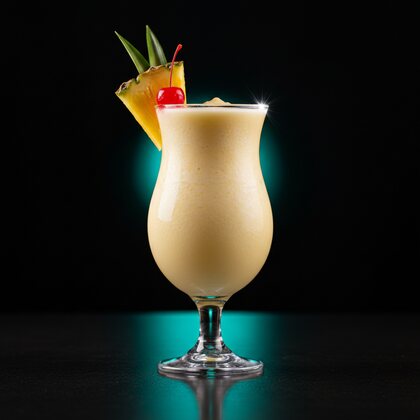
Look at any hotel pool deck at 3 in the afternoon and you will see why the Virgin Colada is on the list. Half the guests around that pool are not drinking alcohol today: the father who is driving to the airport later, the mother who is pregnant, the family from the Gulf who never drink, the couple on a wellness week, and the children who want what the grown ups are having. A serious hotel bar treats their glass with the same care as a Negroni, because these guests pay the same room rate and remember the same details. The Virgin Colada is the Piña Colada with the rum left out and nothing else left to chance: fresh pineapple, real cream of coconut, a squeeze of lime, ice blended to the texture of soft serve. Done well it is thick, cold, sweet but bright, and the guest never feels they were handed a consolation prize.
Specification
| Ingredients | Amount | Role in the glass |
|---|---|---|
| Pineapple juice, fresh pressed or 100% not from concentrate, chilled | 90 ml | The fruit, the acidity and the aroma. Fresh juice from a ripe pineapple gives the best perfume but oxidises fast; use it within 24 hours |
| Cream of coconut, sweetened | 45 ml | Body, coconut flavour and most of the sugar, around 40 g per 100 ml. This is not coconut milk and not plain coconut cream; it is a sweetened, emulsified product made for blending |
| Fresh lime juice | 15 ml | With no rum to give edge, the lime keeps the glass from tasting like dessert. Optional in the classic, essential in the virgin |
| Coconut water, or extra pineapple juice | 30 ml | Replaces the volume and the lightness the 50 ml of rum would have given. Coconut water keeps the coconut line clean without more sugar |
| Fine salt | 1 pinch, about 0.3 g | Invisible on the tongue but it lifts the fruit and stops the sweetness from going flat. The trick that separates a hotel Virgin Colada from a poolside slush |
| Crushed or cracked ice | 150 g, about 1 cup | Sets the texture. Too little and the drink is thin, too much and it is a snow cone |
Technique
- Chill the hurricane glass in the freezer for at least 10 minutesA frozen drink poured into a room temperature glass loses its texture within 2 minutes. The glass must be as cold as the drink
- Shake the can or bottle of cream of coconut hard for 10 seconds before opening, or stand it in warm water at 40 °C for 5 minutes if it has setCream of coconut separates into a hard fat layer and a thin syrup. Unmixed, one drink gets all fat and the next gets all sugar
- Measure pineapple juice, cream of coconut, lime, coconut water and the pinch of salt into the blender jugLiquids go in first so the blades catch them and pull the ice down. Measuring matters more here than in a rum drink, because the sugar has nothing to hide behind
- Add 150 g of crushed ice on top and blend on high for 15 to 20 seconds, no longer15 seconds gives a smooth, thick drink with no ice chips. Past 25 seconds the blades warm the mix, the ice melts into water and the drink turns thin and pale
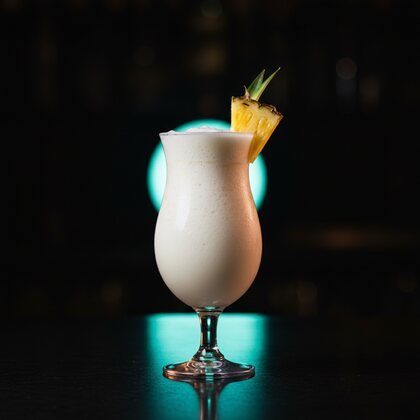
- Pour without stopping into the chilled glass, aiming for a small dome above the rimThe dome tells the guest the texture is right. Pouring in stages lets the blend separate in the jug
- Garnish with a pineapple wedge on the rim, 1 or 2 pineapple leaves standing behind it and a cherry, and serve at once with a wide strawThe wedge is the guest's first bite and the leaf frames the glass. A narrow straw blocks on a thick blend, which is the first complaint you will hear
Service
Origin
The Virgin Colada has no birth certificate of its own. It is the child of the Piña Colada, and the Piña Colada was born in a hotel. The Caribe Hilton in San Juan, Puerto Rico, states that its bartender Ramón Marrero, known as Monchito, first served the drink at the Beachcomber Bar on 15 August 1954 after about 3 months of experimenting with rum, cream of coconut and pineapple juice. Marrero himself once dated it to 1952. The story is contested. Ricardo García, another bartender at the same hotel in the same years, said he improvised the drink during a coconut shortage, a claim the hotel does not support. Across town, the Barrachina restaurant in Old San Juan holds that Ramón Portas Mingot created it there in 1963. What is likely is that the recipe took shape at the Caribe Hilton in the 1950s and the name was popularised later, since the drink does not appear in cocktail books until the late 1960s. The name itself is older than any of these claims: a 1922 issue of Travel magazine describes a Cuban piña colada, literally strained pineapple, made of pineapple juice with no coconut at all. The other half of the recipe has a date too. Commercial cream of coconut was developed in Puerto Rico in 1948 by Ramón López Irizarry, and without that stable, sweetened product the blended drink could not have existed. Puerto Rico declared the Piña Colada its official drink in 1978 and the governor issued a proclamation for the 50th anniversary in 2004. The rum free version followed the original into every resort bar, sometimes under the names Piñita Colada or Virgin Piña Colada, and became the standard family and poolside order.
Taste and body
Cold, thick and creamy first, then ripe pineapple, then coconut that lingers. The lime shows as brightness at the end rather than as sourness, and the pinch of salt makes the fruit taste riper than it is. Sweetness should sit at the level of a good ice cream, not a syrup. The texture is the tell: smooth, no ice chips, no watery layer at the bottom after 5 minutes. If the drink is pale yellow and pours like milk it was over blended or made with too little ice. If it is grainy the cream of coconut was not mixed properly.
Pairs well with
- Grilled prawns or fish tacos with lime
- Jerk chicken, satay and other spiced grilled meat, the coconut cools the heat
- Coconut shrimp, calamari and salty fried snacks
- Fresh fruit platters and mango sticky rice
- Club sandwiches and burgers from the pool menu
- Coconut cake, key lime pie and other citrus desserts
Hotel bar variations
- Piña Colada · The parent. IBA spec is 50 ml white rum, 30 ml coconut cream and 50 ml pineapple juice blended with ice. The virgin build replaces the rum with 30 ml of coconut water and adds lime to compensate for the lost edge
- Virgin Strawberry Colada (Lava Flow style) · Blend 60 g of strawberries with 10 ml of sugar syrup separately, pour into the glass first, then pour the Virgin Colada slowly on top so the red rises up the sides. The most photographed drink on any pool deck
- Virgin Mango or Passion Fruit Colada · Replace 45 ml of the pineapple juice with 60 g of ripe mango or 30 ml of passion fruit pulp. Passion fruit needs 5 ml less lime because it brings its own acidity
- Coco Loco style · Served in a young coconut with the top cut off. Add 30 ml of the coconut's own water to the blend, pour back in and serve with a spoon for the flesh. Popular at beach and pool bars in Southeast Asia
- Shaken Virgin Colada on the rocks · Shake the same recipe hard with cubed ice for 15 seconds and strain over fresh cubes in a highball. Lighter, less sweet, faster to make and easier for a busy brunch service
Common mistakes
- Using coconut milk or plain coconut cream instead of cream of coconut. The drink comes out thin, unsweetened and greasy, and the fat splits when it meets cold pineapple juice
- Blending too long. Past 25 seconds the ice becomes water and the drink loses its body and colour within a minute of pouring
- Skipping the lime and salt because there is no rum. The result is a sweet coconut milkshake. The acid and salt are what make it taste like a drink
- Pineapple juice from concentrate, or fresh juice pressed the day before. The aroma is gone and the taste is metallic or fermented
- Serving in a warm glass with a thin straw. The blend collapses into liquid on top and slush at the bottom, and the guest cannot drink it
Bartender's notes
For a pool bar or brunch that sells 40 or more a day, pre mix the liquid base each morning: 900 ml pineapple juice, 450 ml cream of coconut, 150 ml lime juice, 300 ml coconut water and 3 g salt, whisked and kept below 4 °C. That is 10 drinks at 180 ml of base each. Blend to order with 150 g of ice per drink and discard whatever is left at closing, because fresh pineapple juice and lime do not survive the night. Keep the Virgin Colada and the Piña Colada on the same menu line at the same price bracket and in the same glass. The guest who is not drinking should never have to point at a separate children's list to order it. When a guest asks for the Piña Colada, it takes one sentence to offer the virgin version to the rest of the table.
Let the AI bartender pick the right one for you
One photo. The AI reads your mood and chooses from all 20 classics.
Frequently asked questions
What is a Virgin Colada?
A Piña Colada made without rum: pineapple juice, cream of coconut, a little fresh lime and crushed ice blended until smooth and served in a hurricane glass with a pineapple wedge. It contains no alcohol.
What is the difference between cream of coconut, coconut cream and coconut milk?
Coconut milk is the thin liquid pressed from grated coconut. Coconut cream is the thick, fatty top of that liquid, unsweetened. Cream of coconut is coconut cream that has been sweetened and stabilised, around 40 g of sugar per 100 ml, made for blending into drinks. Only cream of coconut gives a Virgin Colada its texture and sweetness.
Can I make cream of coconut at home or in the bar?
Yes. Warm 200 ml of thick coconut cream gently with 120 g of white sugar until dissolved, do not boil, cool and refrigerate. Use within 5 days and shake before every use because it separates.
How long do I blend a Virgin Colada?
15 to 20 seconds on high with 150 g of crushed ice. Stop as soon as it is smooth. Blending longer melts the ice and makes the drink thin.
Is the Virgin Colada suitable for children and pregnant guests?
Yes. It contains no alcohol at all, only fruit juice, coconut, lime and ice, so it is served to guests of all ages, to drivers and to guests who do not drink.
Where does the Piña Colada come from?
The Caribe Hilton in San Juan, Puerto Rico says its bartender Ramón Marrero first served it on 15 August 1954. Another bartender there, Ricardo García, claimed it too, and the Barrachina restaurant in Old San Juan claims 1963. The Caribe Hilton account is the most widely accepted and the drink became Puerto Rico's official drink in 1978.
Why add lime and salt when the classic Piña Colada does not need them?
Rum brings dryness and a little bite that balances the cream of coconut. Take the rum away and the glass turns flat and sweet. 15 ml of lime and a 0.3 g pinch of salt put the balance back without changing the flavour.
Can I use fresh pineapple instead of juice?
Yes, and it is better. Blend 120 g of ripe pineapple flesh in place of the 90 ml of juice. Use it the same day, because pineapple juice oxidises and loses its aroma within 24 hours even in the fridge.