Gin & Tonic
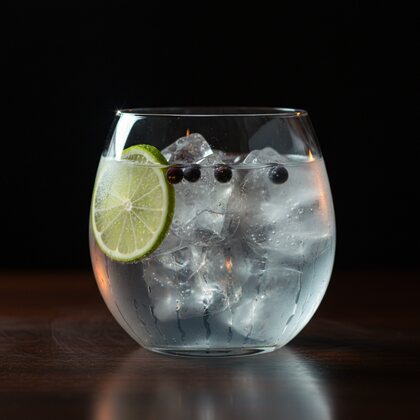
The Gin & Tonic is the most ordered long drink in hotel bars worldwide and the one most often made badly, because everyone believes there is nothing to it. Two ingredients, no shaking, no straining. That is exactly why it exposes lazy service: warm glass, three cubes of ice, tonic from a gun that lost its fizz an hour ago, a tired lime wedge dropped in from the garnish tray. Made properly it is a different drink. A frosted copa filled to the rim with large ice, 50 ml of London dry gin, 150 ml of tonic still snapping with bubbles poured down the spoon, one garnish chosen to echo the gin's botanicals. Cold, dry, bitter, aromatic, and refreshing for a full 20 minutes rather than 5. There is no official recipe, which means the bar's own standard is the only thing that protects the guest from a bad one.
Specification
| Ingredients | Amount | Role in the glass |
|---|---|---|
| London dry gin | 50 ml | The juniper, citrus and spice that the tonic frames. Dry style so the quinine bitterness has something sharp to lean on rather than sugar |
| Premium tonic water, from a fresh 200 ml bottle at about 4 °C | 150 ml | Carbonation, quinine bitterness and 7 to 9 g of sugar per 100 ml. It is three quarters of the glass, so the tonic style changes the drink more than the gin does |
| Ice | Large clear cubes of 4 to 5 cm, filled to the rim | More ice means less dilution. The drink chills fast, the cubes melt slowly and the last sip is still cold and lively after 20 minutes |
| Lime | 1 wedge, or a 5 cm strip of peel | Acidity and citrus oil that lift the juniper and cut the tonic's sugar. Peel gives aroma without souring the drink |
| Botanical garnish (optional) | 1 element, 2 at most | Chosen to match the gin: grapefruit for citrus gins, cucumber for floral gins, star anise or pink peppercorns for spiced gins, juniper berries for juniper heavy gins |
Technique
- Chill the copa in the freezer for 10 minutes or fill it with ice and water while you set up, then tip it outRoom temperature glass at 25 °C melts the first layer of ice instantly, so the drink starts diluted before the tonic even goes in
- Fill the glass to the rim with large clear cubes, then tip out any meltwater and top up with more iceCounterintuitive but true: more ice means less dilution. A full glass chills the liquid in seconds and the cubes then melt slowly because everything around them is already cold. Three cubes in a warm drink melt in minutes
- Express a strip of lime or citrus peel over the ice, oil side down, then wipe the rim and drop it in or rest it on topThe citrus oils sit on the surface and reach the nose first. Doing it before the liquid goes in means the oils coat the ice and the glass rather than just floating
- Measure 50 ml of gin with a jigger and pour it over the iceFree pouring a G&T drifts between 40 and 70 ml. At 1:3 the drink is balanced, at 1:2 it tastes like a weak Martini, at 1:4 the gin disappears. Measure every time
- Open a fresh 200 ml bottle of tonic straight from the fridge at about 4 °C and pour 150 ml slowly down a bar spoon or the inside of the glass, never onto the ice from aboveTonic loses its CO2 within minutes of opening and a litre bottle or a soda gun cannot deliver a live pour. Pouring down the spoon stops the bubbles bursting on impact, so the fizz stays in the glass instead of on the bar top
- Stir once: put the spoon to the bottom and lift it straight up through the drink, one lift onlyGin is denser than tonic and sits at the bottom. One lift integrates the two layers. A fast stir of 10 turns knocks out the carbonation you just protected and the drink goes flat within 2 minutes
- Add the botanical garnish, 1 element or 2 at most, and serve at once on a coaster with a straw only if the guest asksGarnish is aroma, not salad. Three or four items overwhelm the gin and make the glass look like a fruit bowl. Serving immediately matters because the drink is at its best in the first 5 minutes of carbonation
Service
Origin
The Gin & Tonic is not on the International Bartenders Association list of official cocktails. That list covers 102 drinks in three categories and the G&T is not among them, which is why every bar must set its own spec. Its story starts with a tree, not a bar. Quinine, extracted from the bark of the cinchona tree of South America, was the only effective treatment against malaria for centuries. In British India in the 19th century, officers and officials took bitter quinine every day and made it bearable by mixing it with sugar, water, lime and the gin from their ration. That daily dose is the ancestor of the drink. Tonic water as a product arrived in 1858, when Erasmus Bond of the London firm Pitt & Co. patented an improved aerated tonic liquid, the first commercial quinine tonic water. In 1870 a major British mineral water company launched an Indian Quinine Tonic that became the standard mixer across the Empire. Modern tonic carries only a trace of quinine for flavour, the US caps it at 83 mg per litre, so the drink has no medical role today. The line attributed to Winston Churchill, that gin and tonic saved more Englishmen's lives than all the doctors in the Empire, is quoted everywhere, but no documented source exists, so treat it as attributed and unverified. The second chapter belongs to Spain. Between roughly 1999 and 2008 in San Sebastián in the Basque Country, chefs attending the gastronomy congress Lo Mejor de la Gastronomía ended their nights at bars such as Coctelería Dickens and the Museo del Whisky, drinking gin and tonic in large wine glasses filled with ice. Michelin starred chefs from restaurants such as Arzak and El Bulli adopted it as their post service drink, restaurants began garnishing to match the gin's botanicals, and by the 2010s the copa de balón gin tonica had become Spain's national drink and spread to hotel bars worldwide.
Taste and body
First the nose: citrus oil from the peel and the gin's botanicals lifted by the bubbles. Then a dry, cold, bitter sip where juniper and quinine meet, with the tonic's sugar rounding the edge rather than sweetening the drink. Carbonation should prickle on the tongue, not fizz like a soft drink. Light body, a clean finish of 10 to 15 seconds that leaves the mouth dry and wanting the next sip. Made in a copa with a full load of ice it should taste the same at minute 15 as at minute 1. If it tastes flat or watery, the fault is almost always the tonic or the ice, not the gin.
Pairs well with
- Green olives, marcona almonds and salted crisps, the Spanish bar standard
- Oysters and raw seafood, the quinine and lime cut through the brine
- Fish and chips or any battered fried fish
- Fresh goat cheese and cucumber sandwiches
- Sushi and sashimi, especially with a citrus forward gin
- Indian and Thai curries with heat, the cold bitter bubbles reset the palate
Hotel bar variations
- Spanish gin tonica · The copa de balón version: 50 ml gin, 150 to 200 ml premium tonic, the glass packed with ice and garnished to match the gin's botanicals. Born in San Sebastián between 1999 and 2008 and now the hotel bar standard worldwide
- Sloe Gin & Tonic · Sloe gin in place of London dry, same 50/150 ratio. Deep red, fruitier and lower in alcohol because sloe gin sits around 25 to 30% before mixing. A good answer for a guest who finds the classic too dry
- Pink Gin & Tonic · 2 to 3 dashes of aromatic bitters added to the gin before the tonic. A pale pink tint and a spicier, drier finish. The pink refers to the bitters, not to fruit or colouring
- Gin Rickey · The drier cousin: 50 ml gin, half a lime squeezed and dropped in, topped with soda water instead of tonic and no sugar at all. Born in Washington DC in the 1880s at Shoomaker's bar and named after lobbyist Colonel Joe Rickey. For a guest who wants no sweetness
- Grapefruit & Rosemary G&T · A modern hotel signature: 50 ml citrus forward gin, 150 ml tonic, a wide strip of pink grapefruit peel expressed over the ice and one 8 cm sprig of rosemary slapped between the palms before it goes in. Easy to batch the garnish for events
Common mistakes
- Half a glass of small ice. The drink is warm and watery within 5 minutes. Fill to the rim with large cubes, always
- Tonic from a soda gun or a litre bottle opened an hour ago. The CO2 is gone before it reaches the glass. Fresh 200 ml bottle, refrigerated, opened in front of the guest
- Stirring like a Negroni. Ten fast turns strip the carbonation. One lift of the spoon from the bottom is all it needs
- Free pouring the gin. The 1:3 ratio slips to 1:2 or 1:4 without anyone noticing until the guest complains it is too strong or too weak
- Overloading the garnish: lime, lemon, cucumber, rosemary and berries in the same glass. Pick 1 or 2 that match the gin and stop
Bartender's notes
At a hotel bar the G&T is where you show the guest the bar has standards without a word being said. Open the tonic bottle in front of them, pour it down the spoon, let them see the ice packed to the rim. If the bar carries three or four gins, ask one question, citrus, floral or classic juniper, and match both the tonic and the garnish to the answer. That takes 10 seconds and turns a commodity drink into a recommendation. Keep a tray of prepared peels and a small container of pre cut wedges under film in the fridge, refreshed every 4 hours, so the garnish is never the slow step. Keep the gin in the freezer during service. For events, do not batch the drink itself. Pre chill glasses, pre portion the gin into the glasses over ice only when the guests are walking in, and open the tonic at the moment of service. A G&T built 10 minutes early is a flat G&T, and no garnish can rescue it.
Let the AI bartender pick the right one for you
One photo. The AI reads your mood and chooses from all 20 classics.
Frequently asked questions
Is there an official IBA recipe for the Gin & Tonic?
No. The IBA list of official cocktails covers 102 drinks in three categories and the Gin & Tonic is not on it. The widely accepted hotel bar standard is 50 ml London dry gin to 150 ml tonic water, a 1:3 ratio, built over a glass full of large ice.
What is the best gin to tonic ratio?
1:3 is the balance point, 50 ml gin to 150 ml tonic. Go to 1:2 with 100 ml tonic for a gin forward drink, or 1:4 with 200 ml tonic for a long light one on a hot afternoon. Below 1:2 the quinine disappears; above 1:4 so does the gin.
Which glass should I use?
A copa or balloon glass of 600 to 700 ml is the modern hotel bar choice: the wide bowl holds more ice, the stem keeps warm hands off the drink and the bowl gathers the aroma. The classic British serve is a 300 to 350 ml highball with a lime wedge. Both work; the copa keeps the drink cold longer.
Why fill the whole glass with ice? Will it not water the drink down?
The opposite. A glass packed with large cubes chills the liquid in seconds, and once everything is cold the ice melts very slowly. Three cubes in a warm drink melt fast and dilute it within 5 minutes. Full ice keeps a G&T lively for 20 minutes or more.
Which tonic should I use?
A premium tonic in fresh 200 ml bottles, kept at about 4 °C. Indian tonic is drier and more bitter and suits juniper heavy gins, Mediterranean tonic is herbal and suits floral gins, light tonic has less sugar. Tonic is three quarters of the glass, so it changes the drink more than the gin does.
Lime or lemon?
Lime is the classic and lifts juniper best. Lemon suits softer, more floral gins and gives a rounder aroma. For a citrus forward gin, pink grapefruit peel is often better than either. Whichever you choose, express the peel over the drink; a wedge dropped in without squeezing adds almost nothing.
How strong is a Gin & Tonic?
Light. 50 ml of gin at 40% in 200 ml of finished drink plus melt water lands around 8 to 10% ABV, about the same as a Moscow Mule and roughly a third of a Martini. That is why it works as an all day drink and why guests comfortably order a second.
Can a Gin & Tonic be batched for events?
Not the drink itself. Tonic loses its carbonation within minutes of being opened, so it must be poured fresh at the moment of service. You can pre chill the glasses, keep the gin in the freezer, pre cut garnishes and even pour the gin over ice as guests arrive, then open the tonic at the last second.